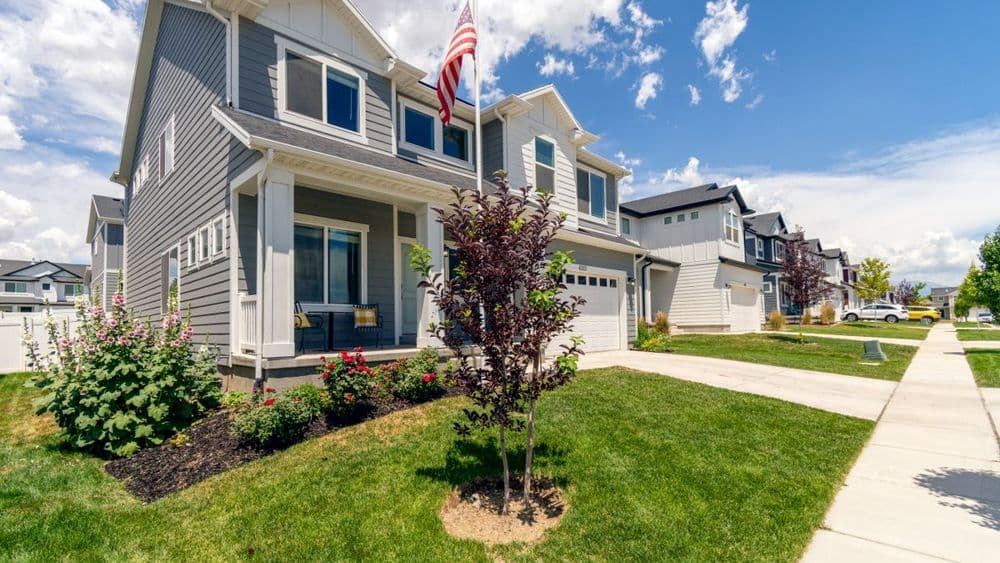
Every community manager knows the dread of the after-hours phone. Most calls are routine. But the one that isn't — a flood, a security breach, an elevator entrapment — can't wait until Monday, and it can't go to voicemail.
Triage is everything
A good emergency protocol sorts every call by severity in the first thirty seconds. Routine inquiries get handled and logged. True emergencies trigger an immediate, pre-defined escalation to the right vendor or on-call manager.
- Define what counts as a genuine emergency, in writing
- Map each emergency type to a specific vendor or contact
- Set the escalation path before you need it, not during
- Log and record every call for the community record
Why a live voice beats an app
Residents in distress don't want to fill out a form. They want a calm human who knows the protocol, asks the right questions and tells them help is coming. That reassurance is itself part of the response.
The takeaway
An emergency line is judged on its worst night, not its average one. Build the protocol now, and make sure a trained, empathetic voice is always on the other end.
Carla Domínguez
Community Solutions, iCall Connect